
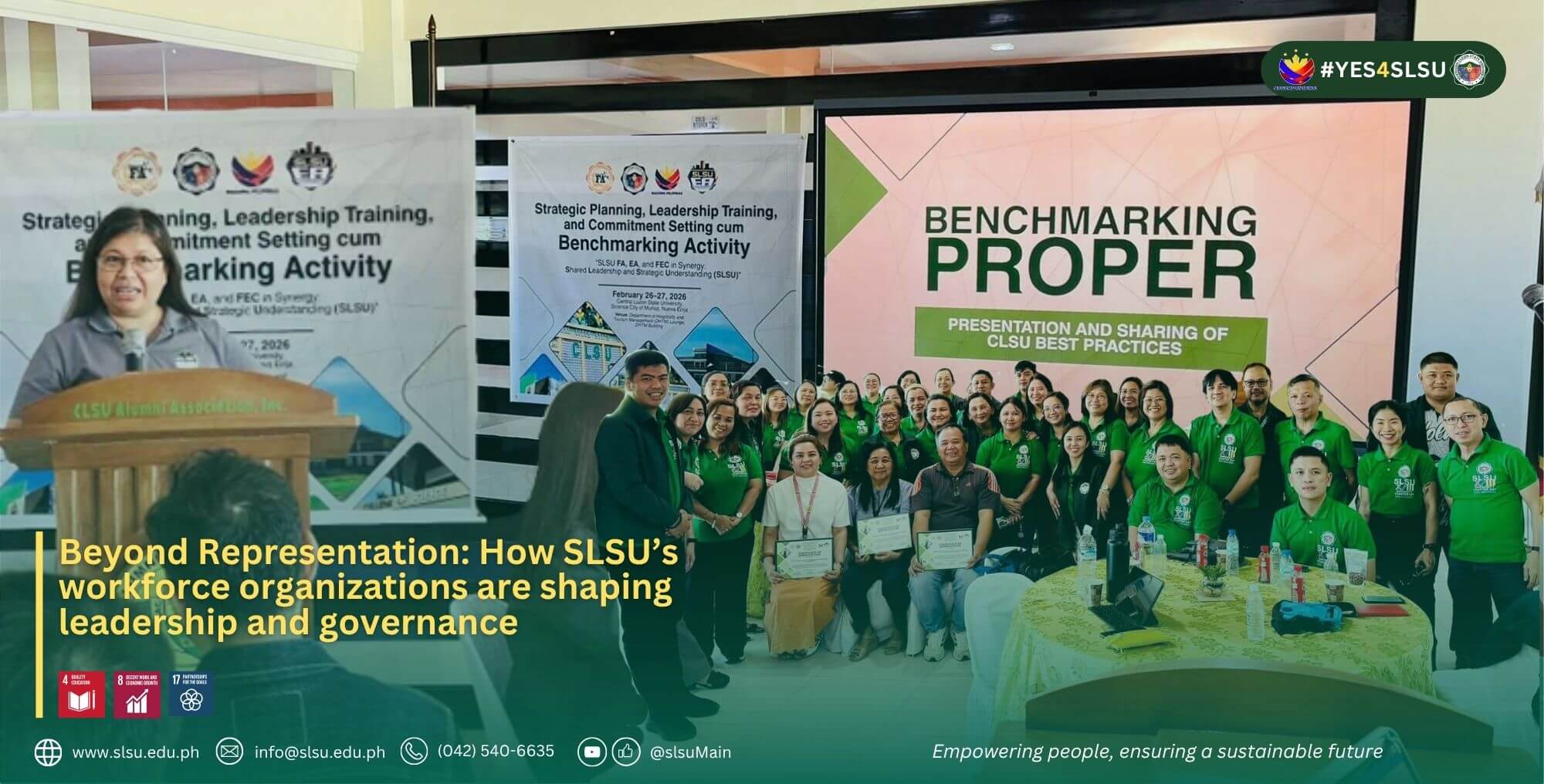
In many universities, workforce organizations are often seen as voices of concern and advocates that speak when needed. At Southern Luzon State University (SLSU), however, they are becoming something more as they work as active partners in leadership, governance, and institutional growth.
This evolving role took center stage as SLSU’s Faculty Association (FA), Employee Association (EA), and Faculty and Employee Club (FEC) embarked on a two-day benchmarking initiative at Central Luzon State University (CLSU) in Science City of Muñoz, Nueva Ecija, from February 26 to 27. More than a routine visit, the activity underscored how organized groups composed of the university’s faculty and staff are stepping into strategic roles that align closely with the administration’s vision for good governance.
At CLSU, SLSU delegates engaged with key officials to examine systems on organizational performance, labor relations, and institutional practices. The exchange offered a glimpse into how structured faculty and staff representation can coexist with, and even strengthen, university leadership. A campus tour followed, allowing participants to see firsthand how heritage and innovation can be harmonized in a well-managed academic environment.
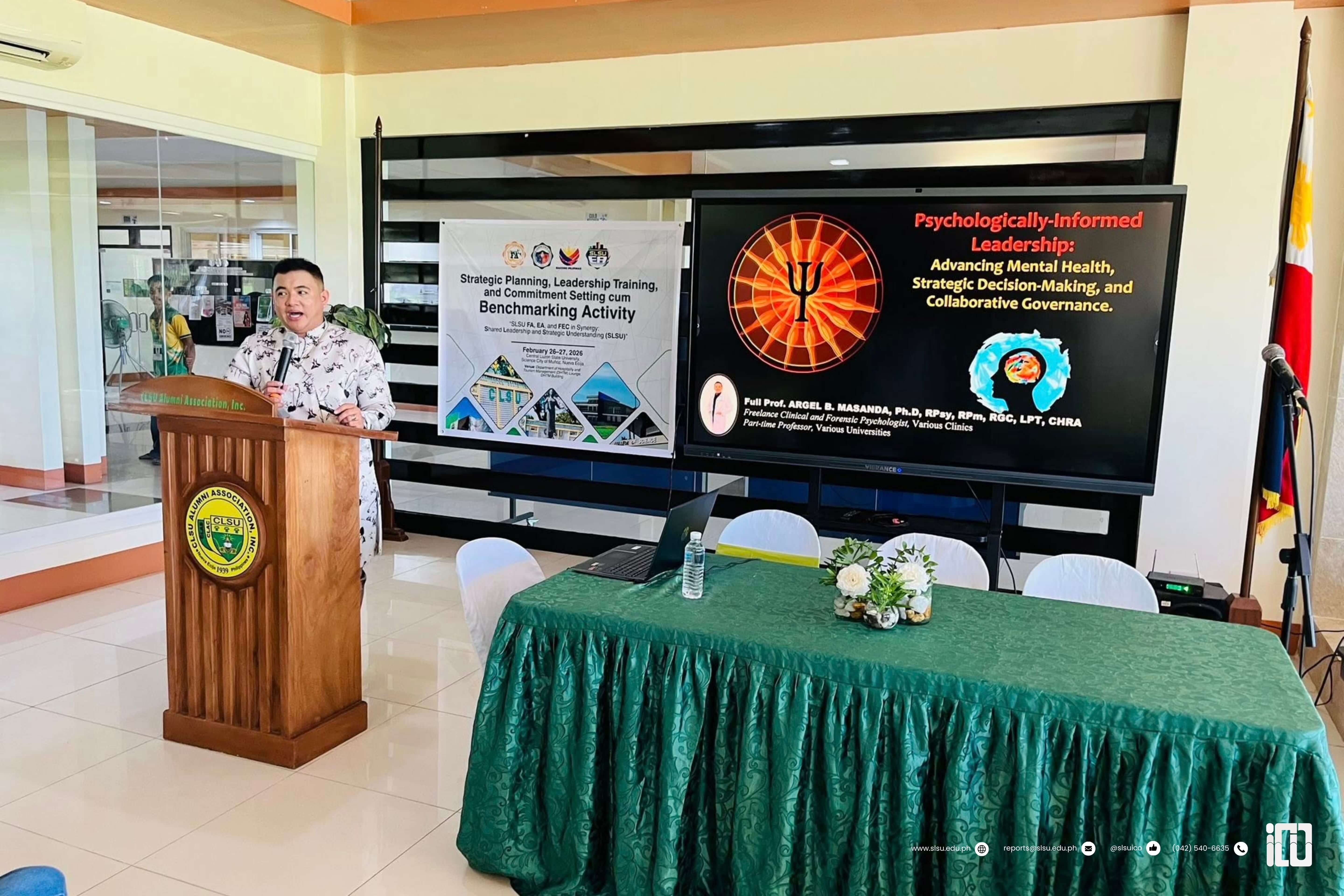
Yet, the benchmarking went beyond systems and structures. A session on mental health emphasized its critical role in effective leadership and sound institutional management that acknowledges governance is not only about policies, but also about people.
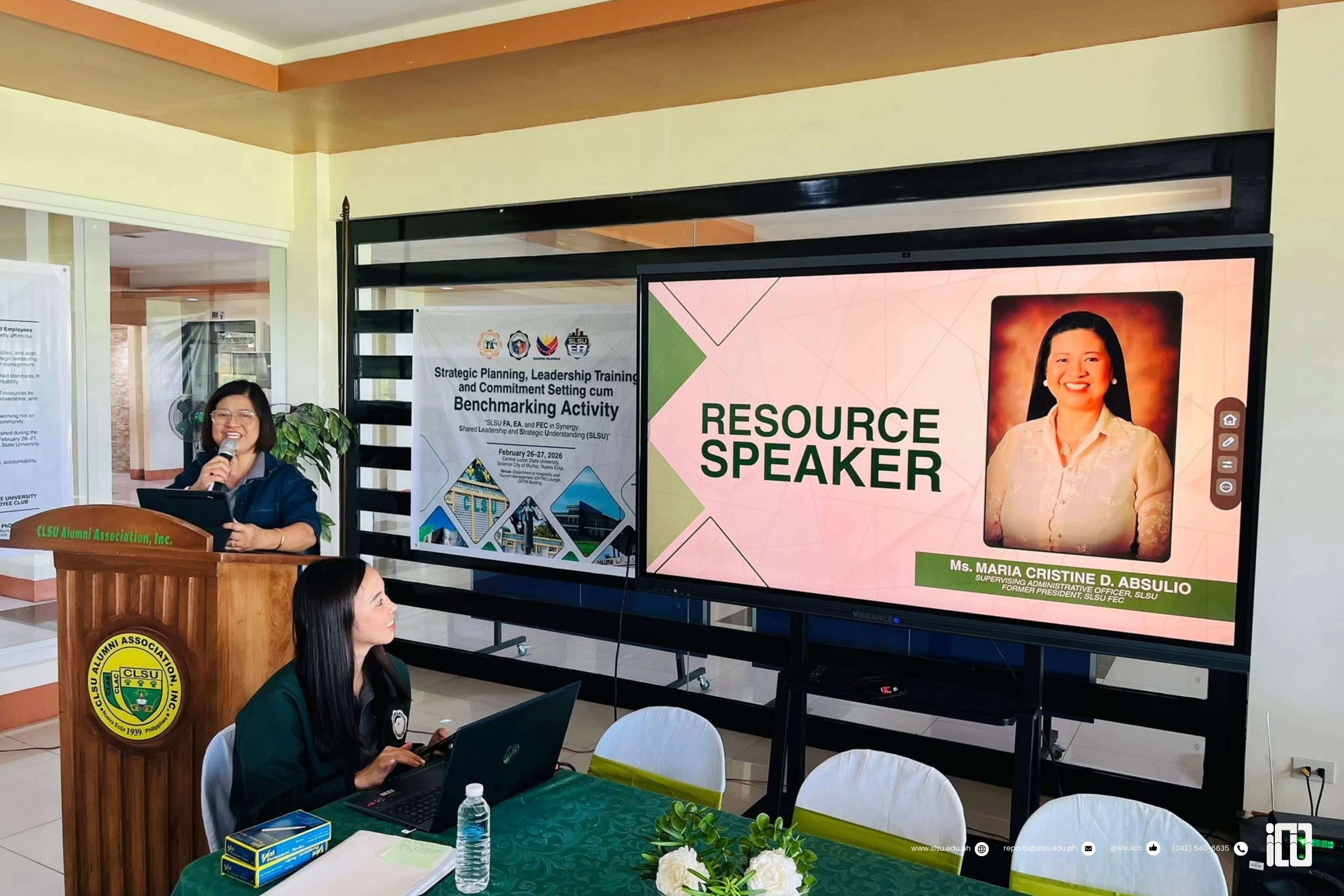
The second day shifted the spotlight back to SLSU. Presenting the university’s own journey, challenges, and direction, Ms. Maria Cristine D. Absulio, SLSU’s Supervising Administrative Officer and former SLSU FEC President, highlighted how collective action among workforce organizations contributes to both faculty and staff welfare and institutional development. Her message reinforced a key idea that an empowered university workforce is not separate from governance but is integral to it.
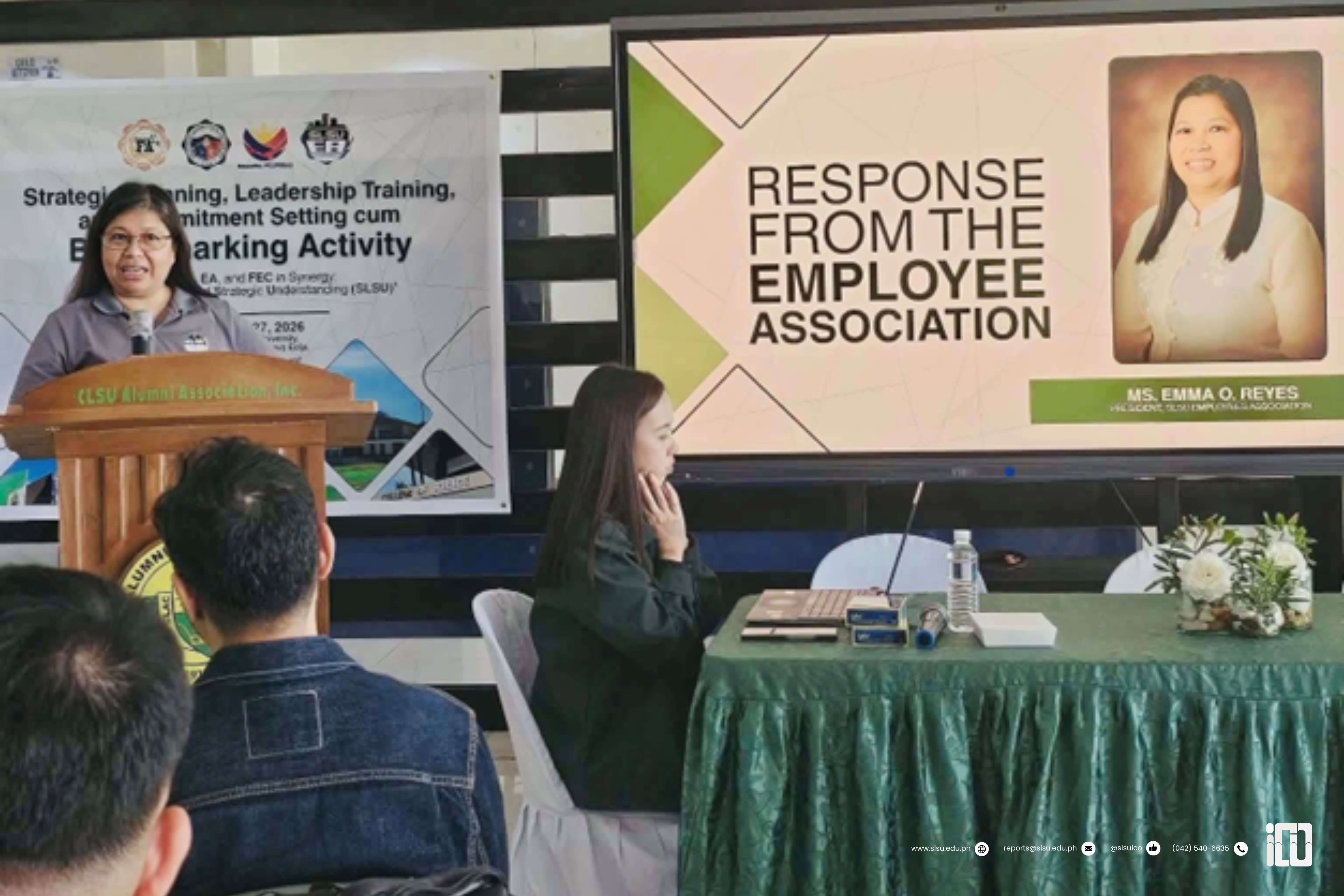
This perspective was further strengthened through concrete outputs. The Faculty Association and Employee Association presented their commitment statements, while the Faculty and Employee Club shared its position paper. Together, they affirmed support for the university’s austerity measures and demonstrated that advocacy for faculty and staff welfare can go hand in hand with institutional responsibility.
For Hon. Gino A. Cabrera who is the SLSU’ Faculty Regent, Faculty Association President, and the activity’s proponent, the benchmarking was a step toward sharpening organizational clarity and purpose. Strengthening competencies, he noted, is essential in helping workforce organizations define priorities and understand their roles within the broader university system.
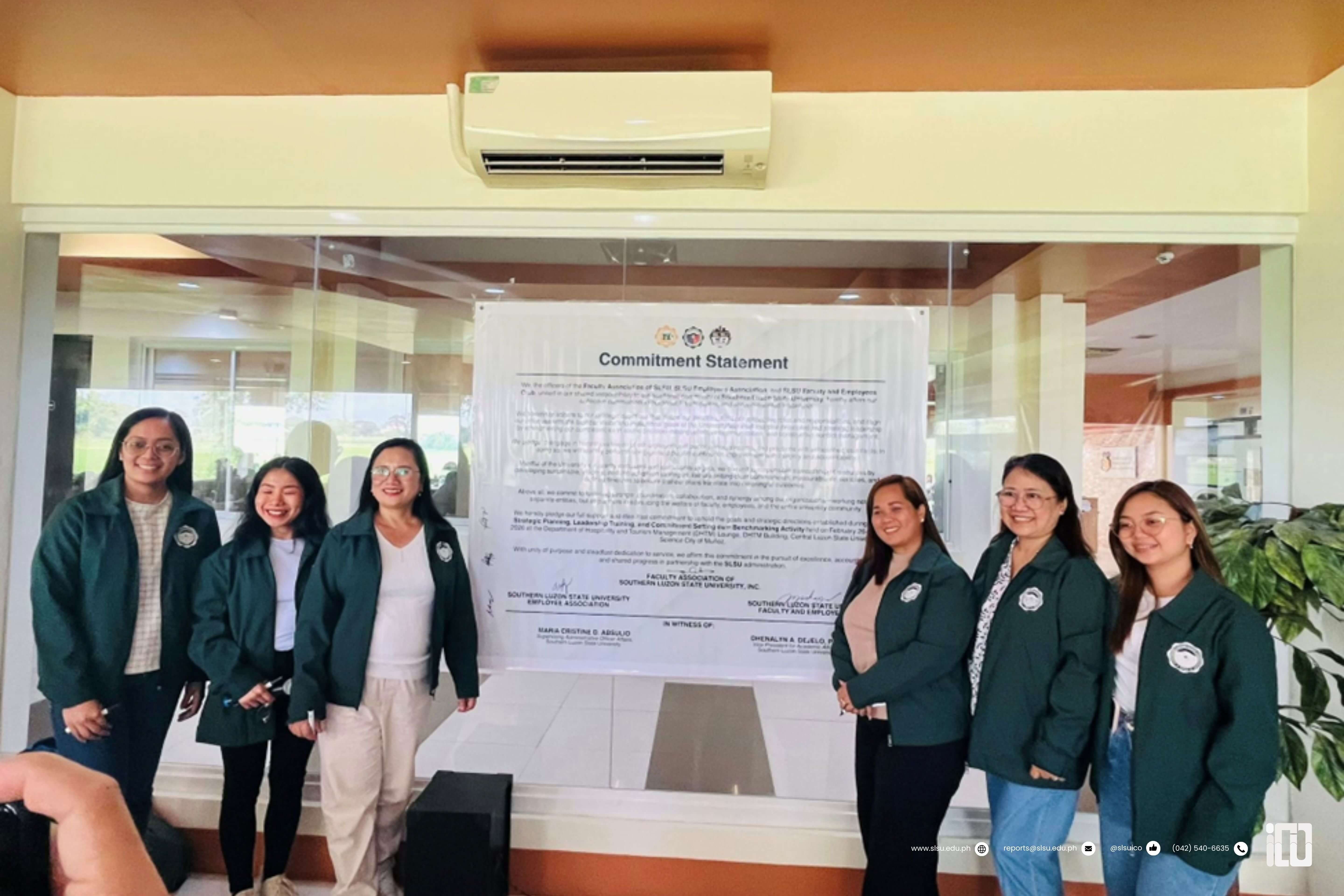
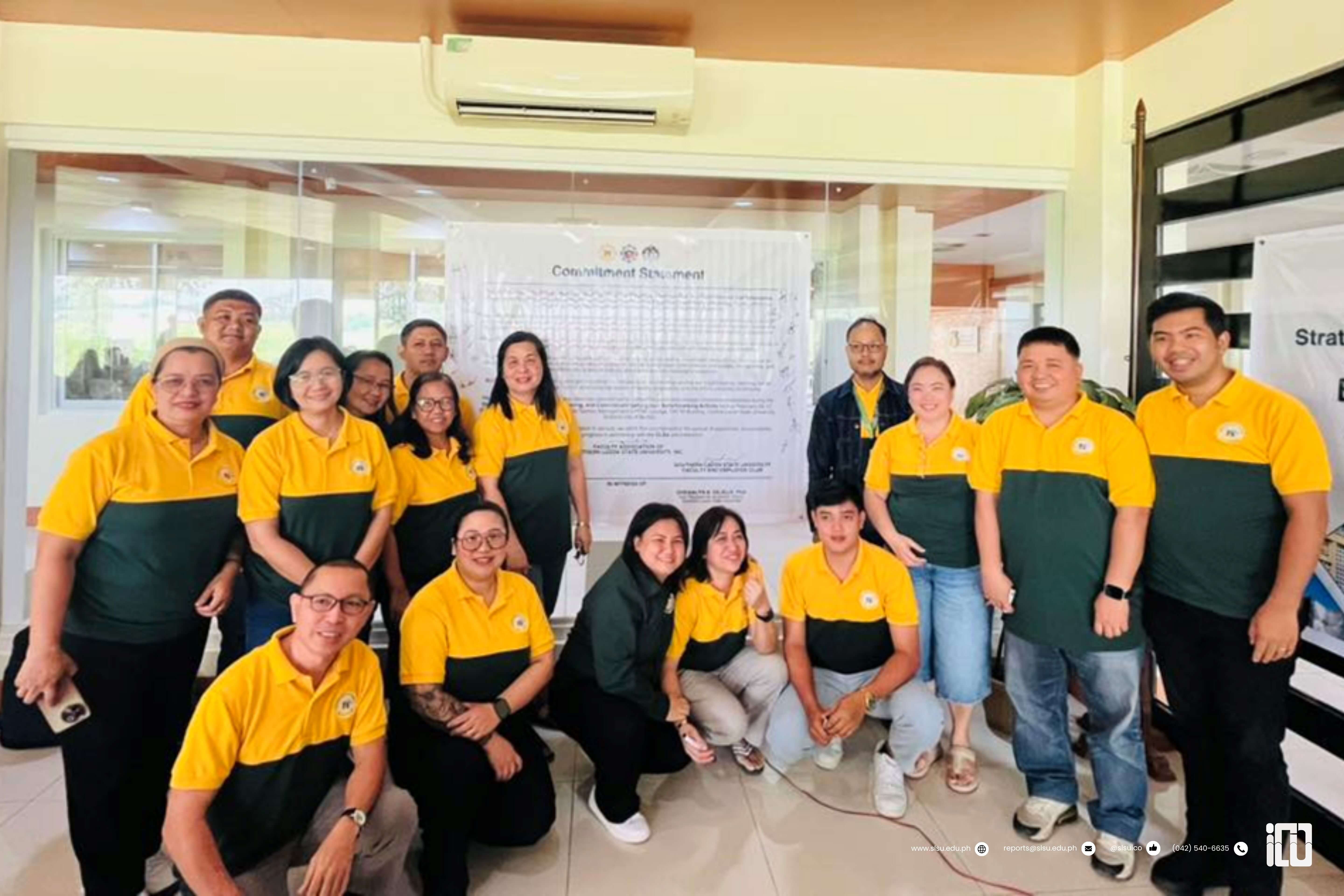
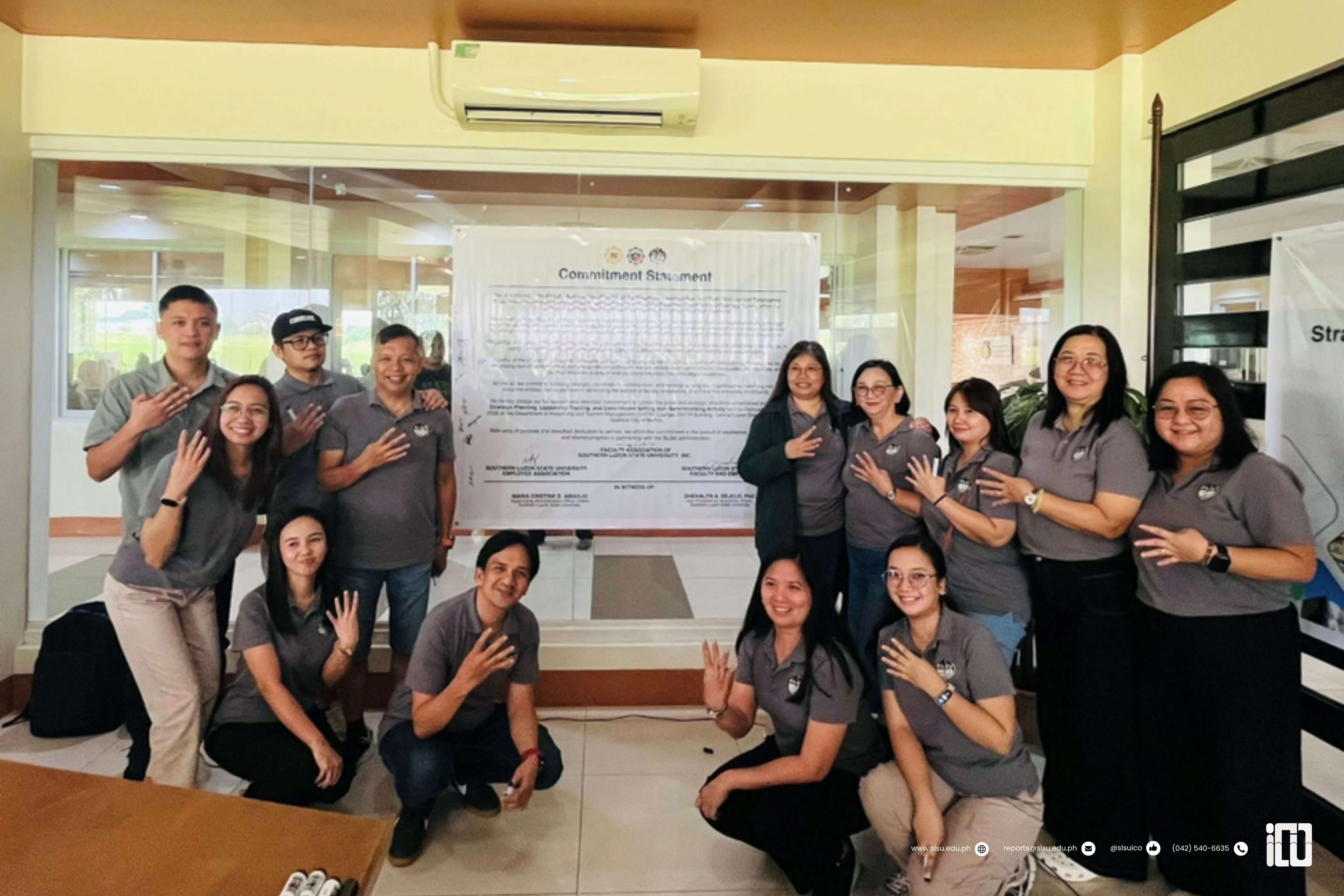
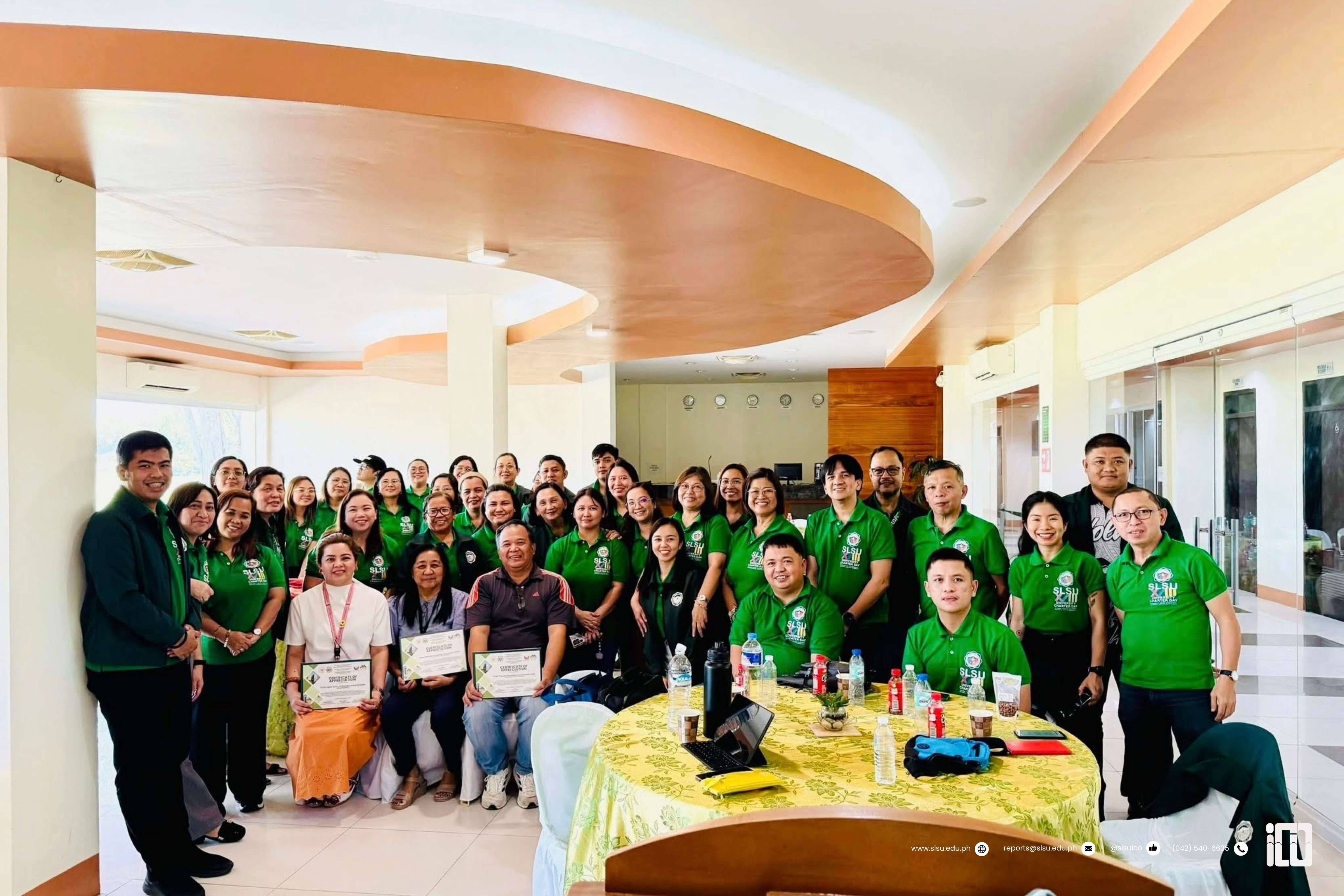
What makes this initiative particularly significant is its underlying model, specifically on workforce organizations not as oppositional bodies, but as collaborative stakeholders. Supported by the university administration, these groups are cultivating a culture of shared leadership, that is one where dialogue, accountability, and unity are central.
CLSU was an ideal benchmarking site due to its well-established reputation as a leading state university and its structured, multi-organizational employee representation through organizations such as CLSU’s Faculty Association Incorporated (FAI), Allied Services Employees Association (ASEA), and Labor Union of Teachers and Employees (CLUTCHES).
As SLSU continues to strengthen its governance framework, the message from this benchmarking activity is clear. It is when faculty and staff organizations are empowered, aligned, and engaged that they become more than representatives, but co-builders of the university’s future.
Layout: Nica Rowella Nanong
Photos: Gino A. Cabrera