
A
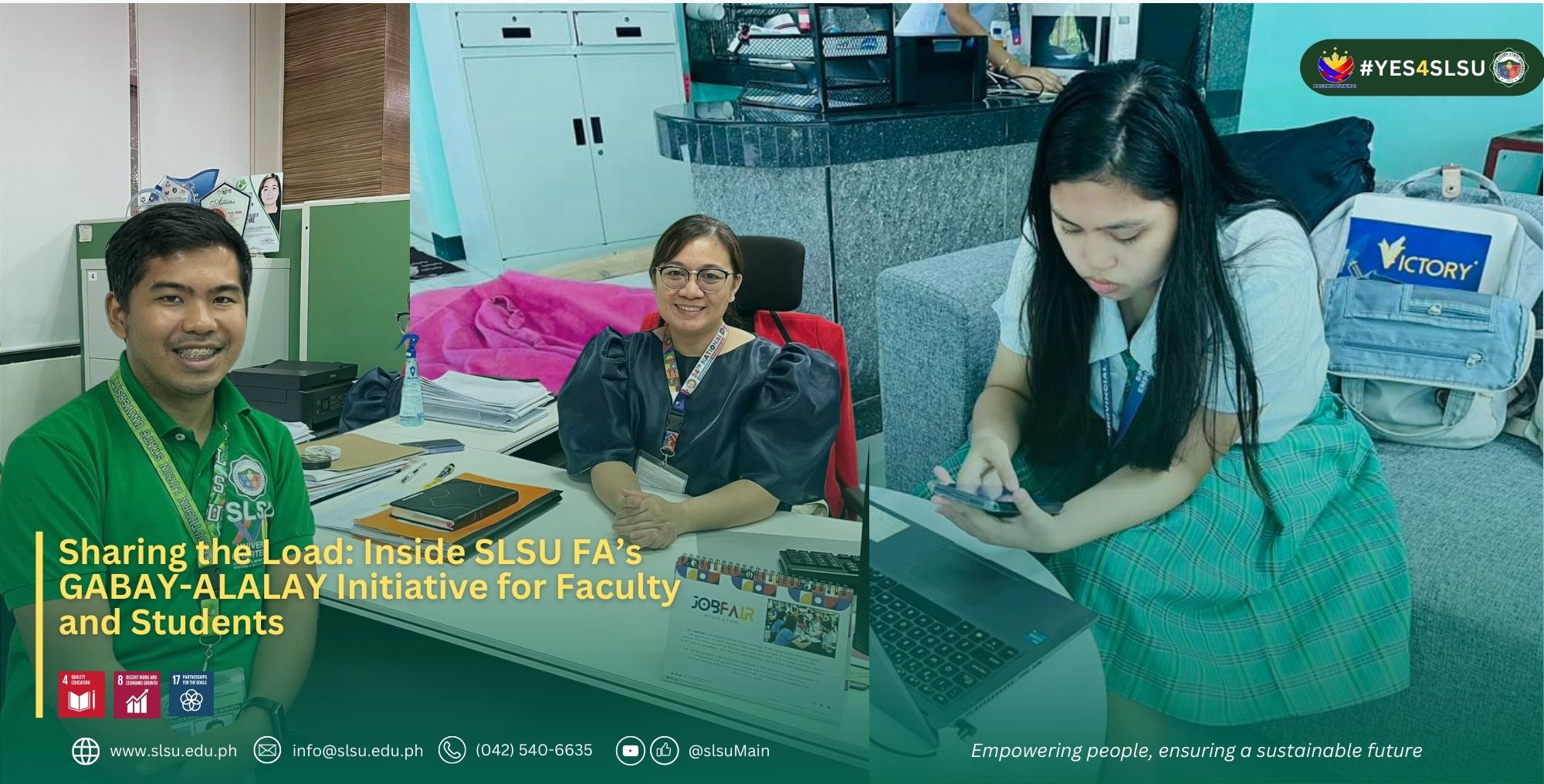
t Southern Luzon State University (SLSU), a quiet but powerful partnership among the SLSU Faculty Association (FA), the Provincial Government of Quezon (PESO), and the Department of Labor and Employment Provincial Office of Quezon launched GABAY‑ALALAY (Government‑Assisted Bridge for Academic Yearning – Aspiring Learners Assisting Learning and Alleviating Your Load) to relieve faculty of routine burdens while giving students meaningful work experience.
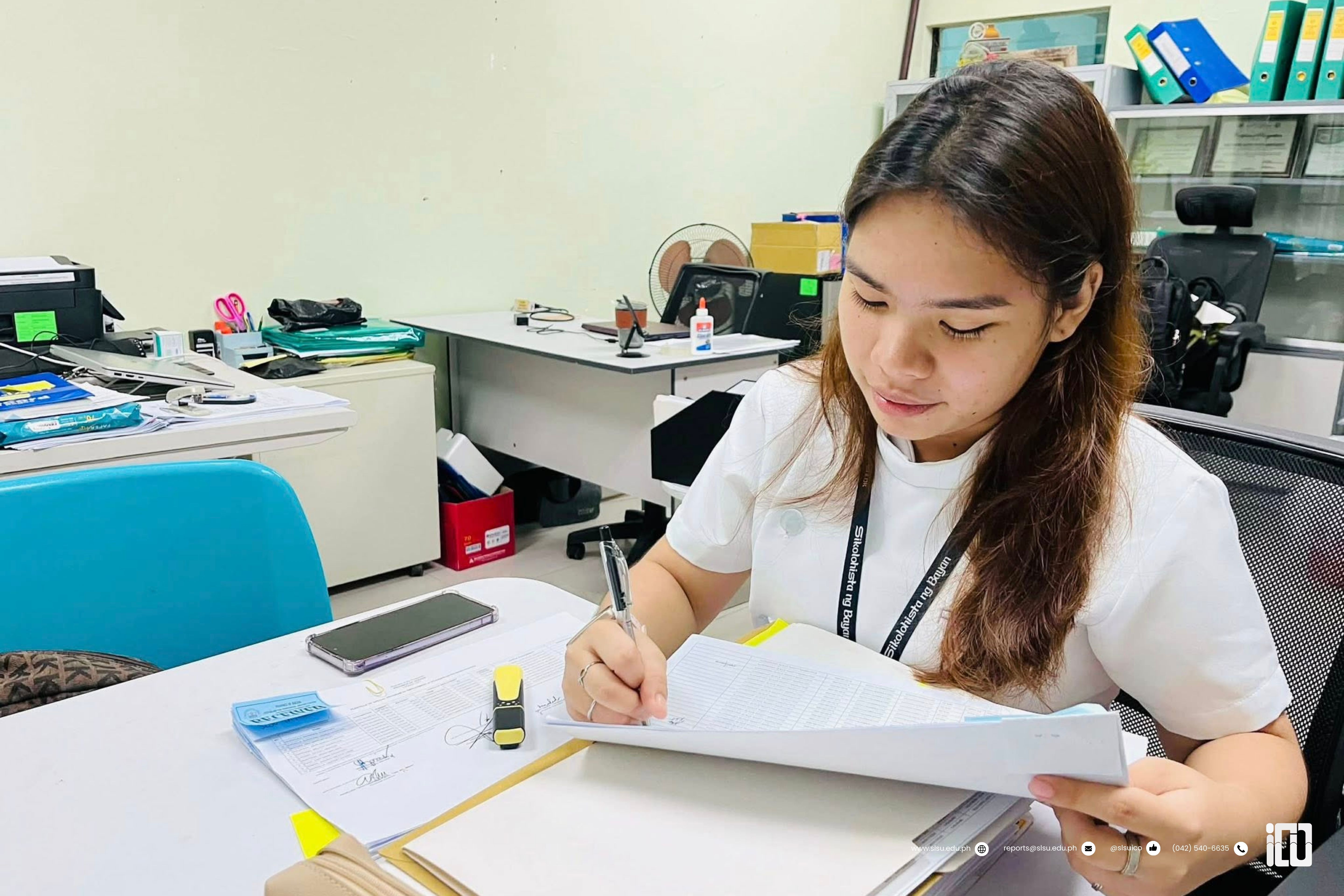
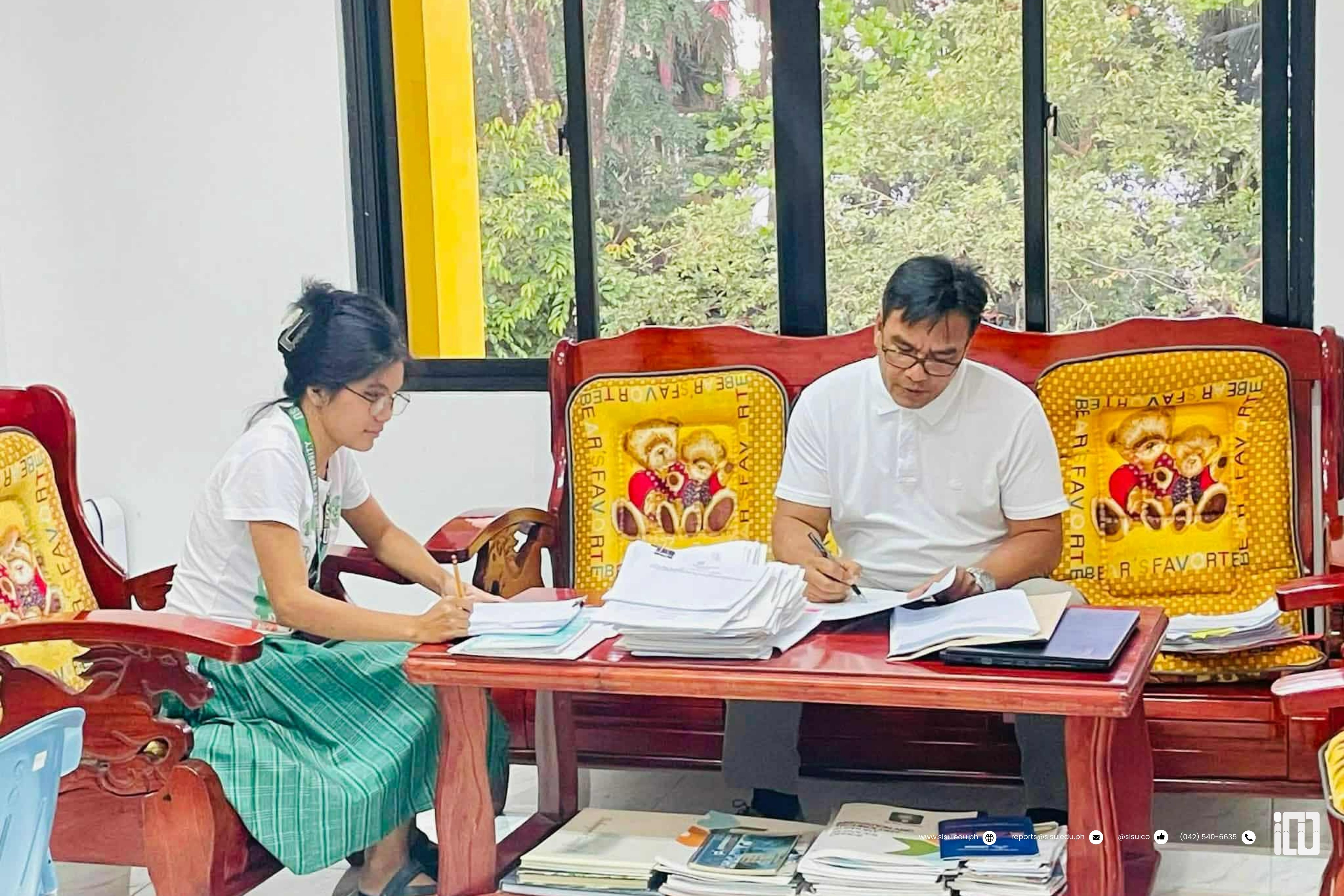
To ease faculty workload, two beneficiaries under the Government Internship Program (GIP) and 220 beneficiaries under the Special Program for the Employment of Students (SPES) were deployed across the main and satellite campuses. The students gain paid, supervised work that builds workplace skills and eases financial pressure, while faculty reclaim time for lesson planning, research, and student mentoring.
Sarah Visalo, a SPES beneficiary from the College of Engineering, said, “Instead of wala pong ginagawa sa free time is yun (SPES) na lang po ang gawin kasi magkaka-assistance pa po ta’s makakatulong po [sa family] ta’s mai-increase sa knowledge about sa work related activities (Instead of doing nothing in our free time, we can work through SPES; we get assistance, help our families, and increase our knowledge about work‑related activities).”
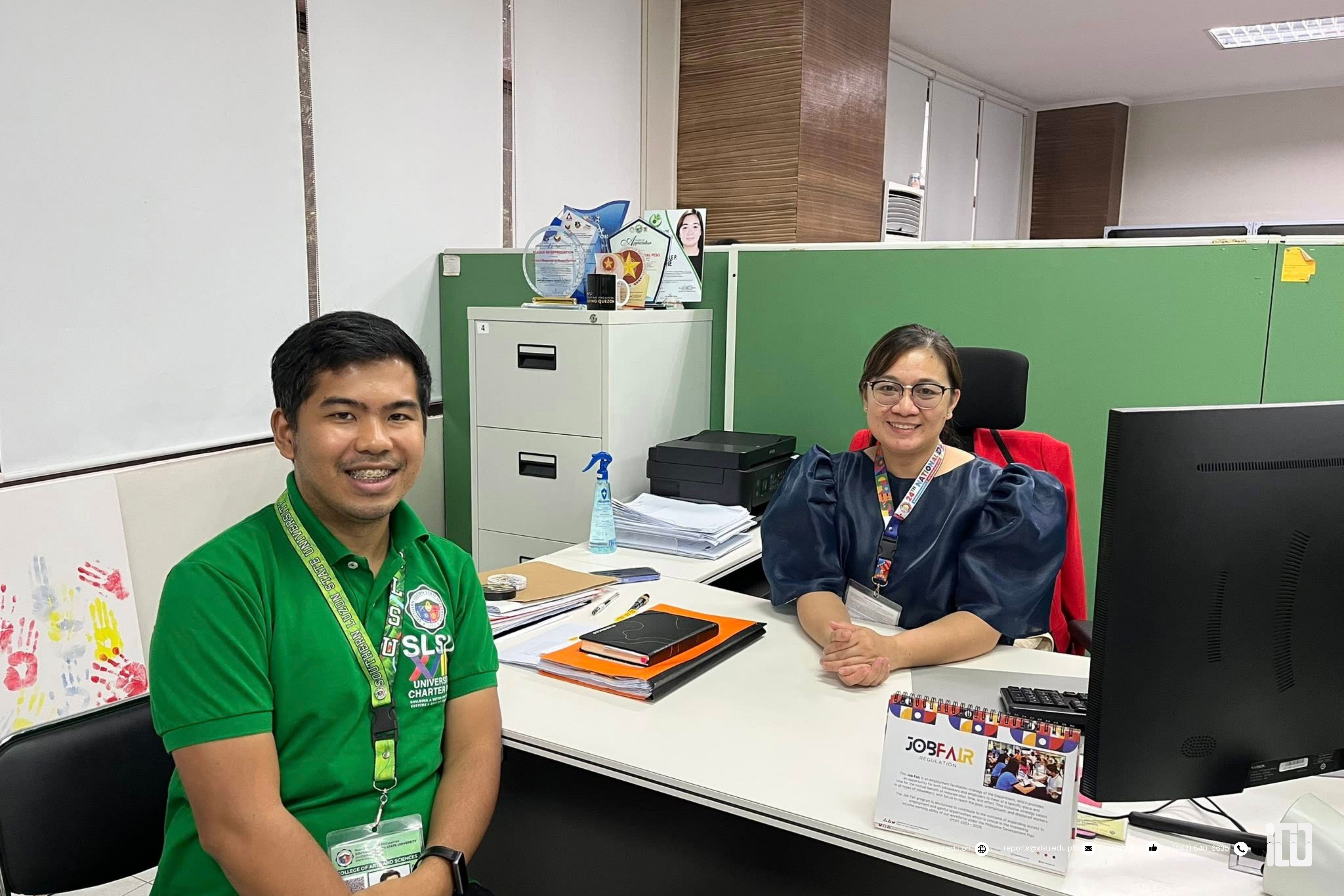

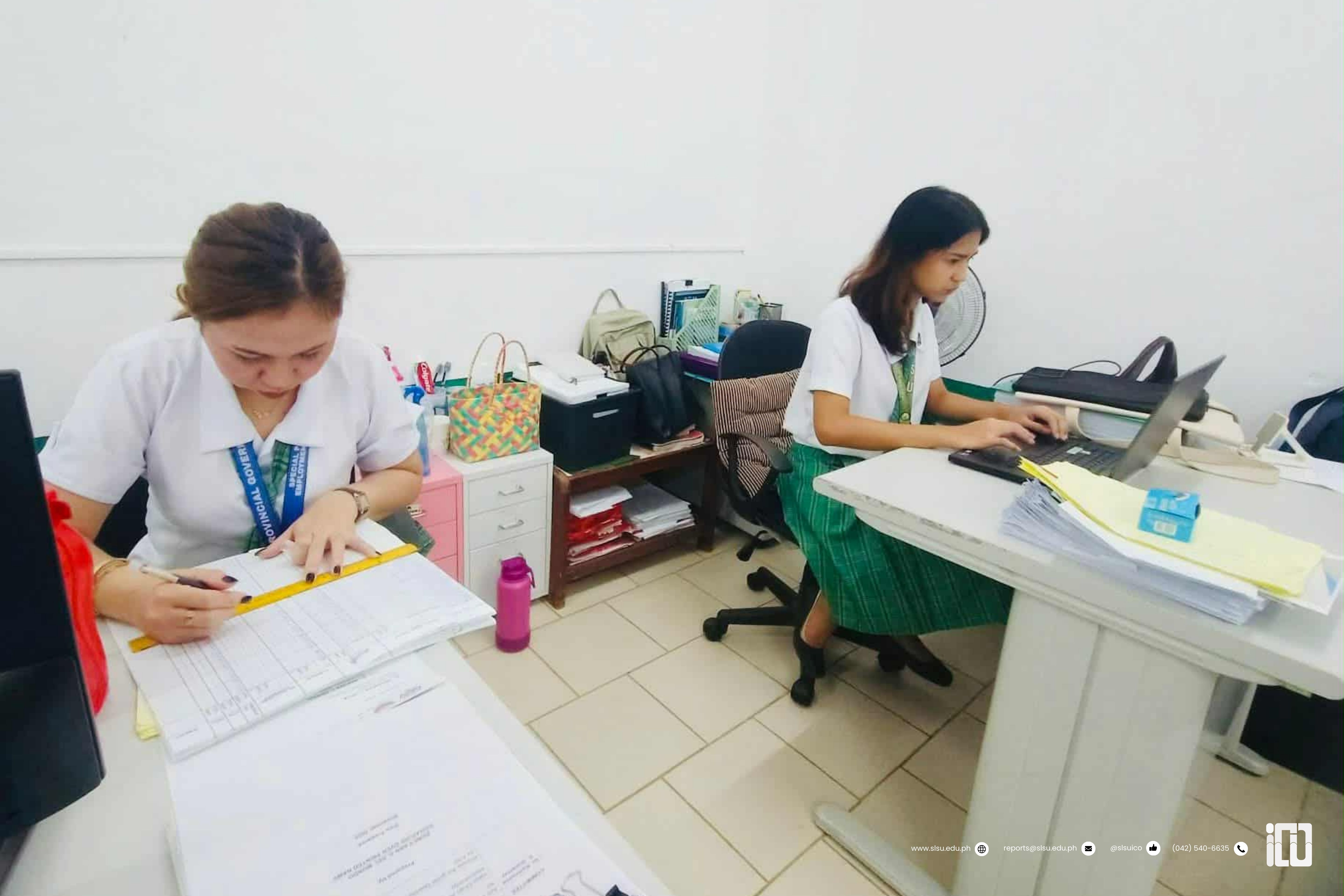
Gino A. Cabrera, President of the SLSU FA and Faculty Regent of SLSU, linked the initiative to the association’s goals “to continue advocating for reasonable workloads, equitable distribution of assignments, greater attention to mental health, and policies that recognize faculty as whole persons—not just producers of academic outputs.”
The project ran from October to December 2025 and will be implemented again in 2026. If maintained, the program could quietly redefine campus norms by sharing administrative responsibilities, ensuring student work has purpose, and acknowledging faculty as whole professionals whose time and wellbeing are equally important.
Article: Nica Rowella Nanong
Layout: Nica Rowella Nanong
Photos: Gino A. Cabrera