
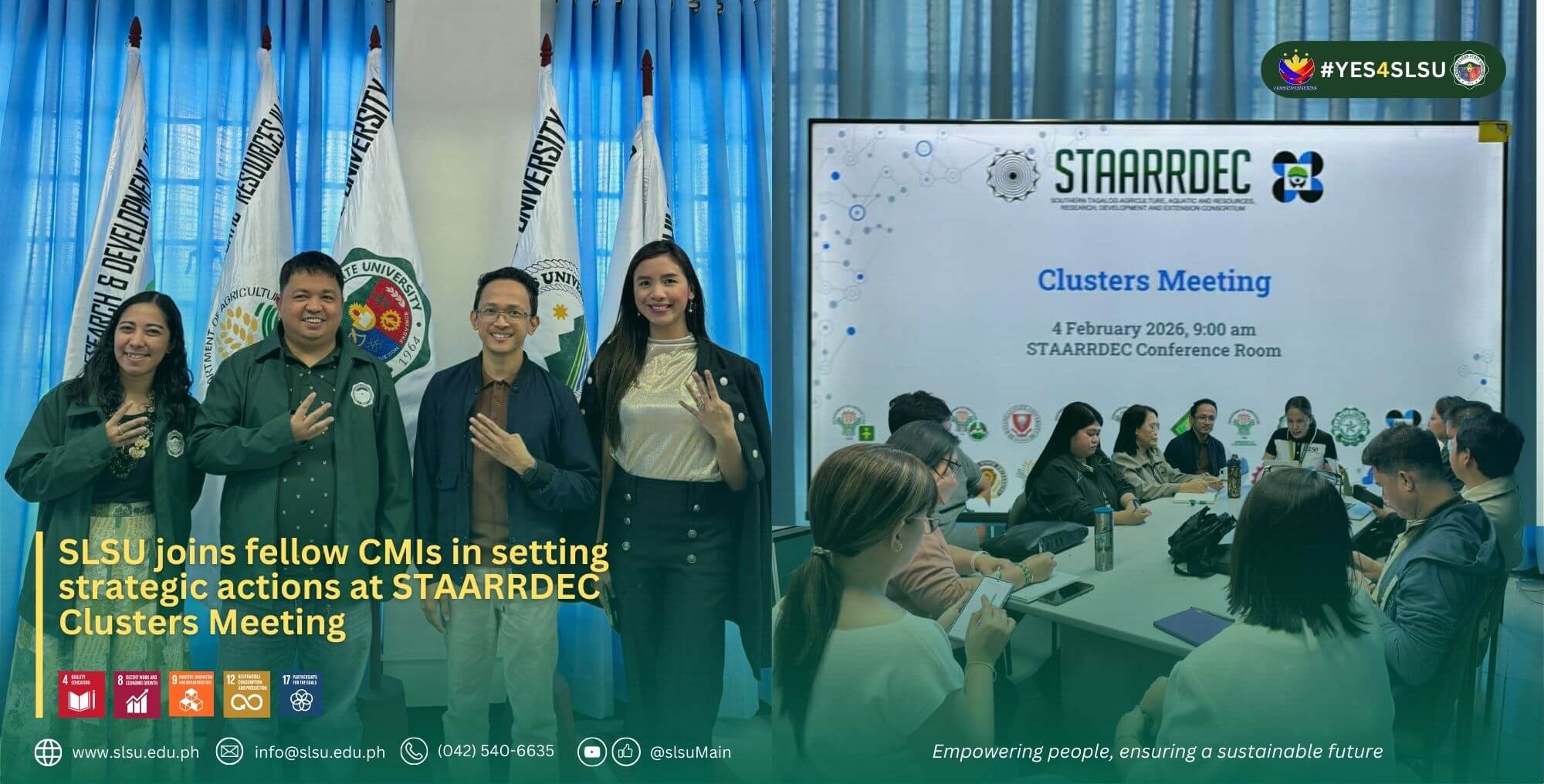
Southern Luzon State University (SLSU) joined fellow Consortium Member Institutions (CMIs) in strengthening regional collaboration and setting shared priorities during the Clusters Meeting of the Southern Tagalog Agriculture, Aquatic and Resources Research, Development and Extension Consortium (STAARRDEC), held on February 04, 2026, at the STAARRDEC Conference Room of Cavite State University – Indang Campus.
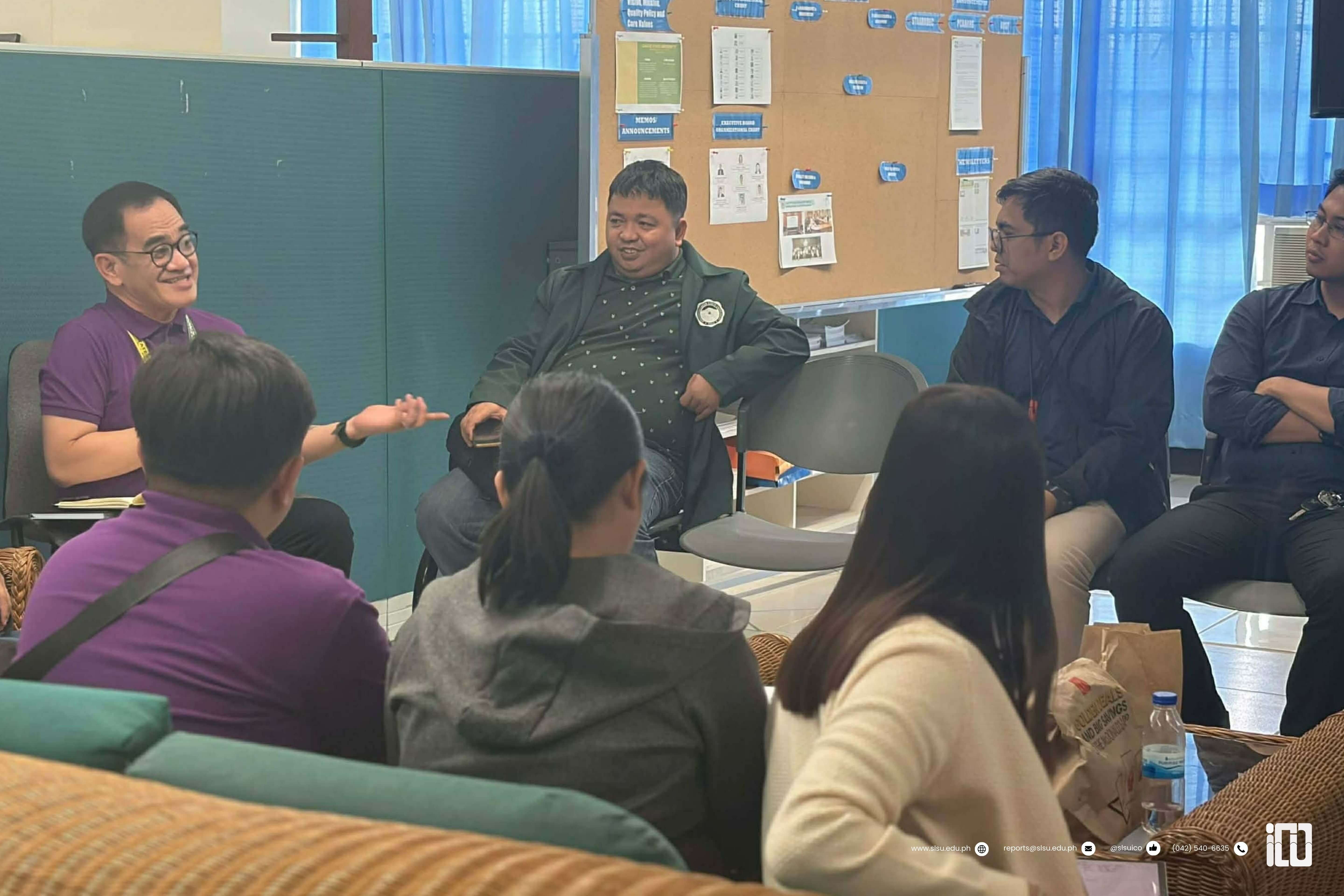
The meeting served as a platform to review updates from the previous Joint Executive Board and RRDCC Meeting, assess the status of the 2025 Annual Report and Strategic Plan, and discuss key announcements shaping the consortium’s direction. Participants also engaged in parallel cluster sessions covering Research and Development, Technology Transfer, Information and Communications Technology, Science Communication, and the Regional Agri-Aqua Innovation System Enhancement (RAISE), providing focused spaces to share updates, surface operational concerns, and strengthen convergence across clusters.
SLSU was represented across key clusters by Dr. Nicanor L. Guinto for Research and Development, Dr. Jennifer Edytha J. Lagrazon for Technology Transfer, Asst. Prof. Reynaldo V. Danganan for ICT, and Ms. April Arianne A. de Leon for Science Communication. Through its participation, SLSU reaffirmed its commitment to collaborative regional development by contributing to dialogues on strengthening research utilization, innovation pathways, digital platforms, and science communication—underscoring the university’s readiness to translate shared strategies into tangible actions that benefit communities across Southern Tagalog.
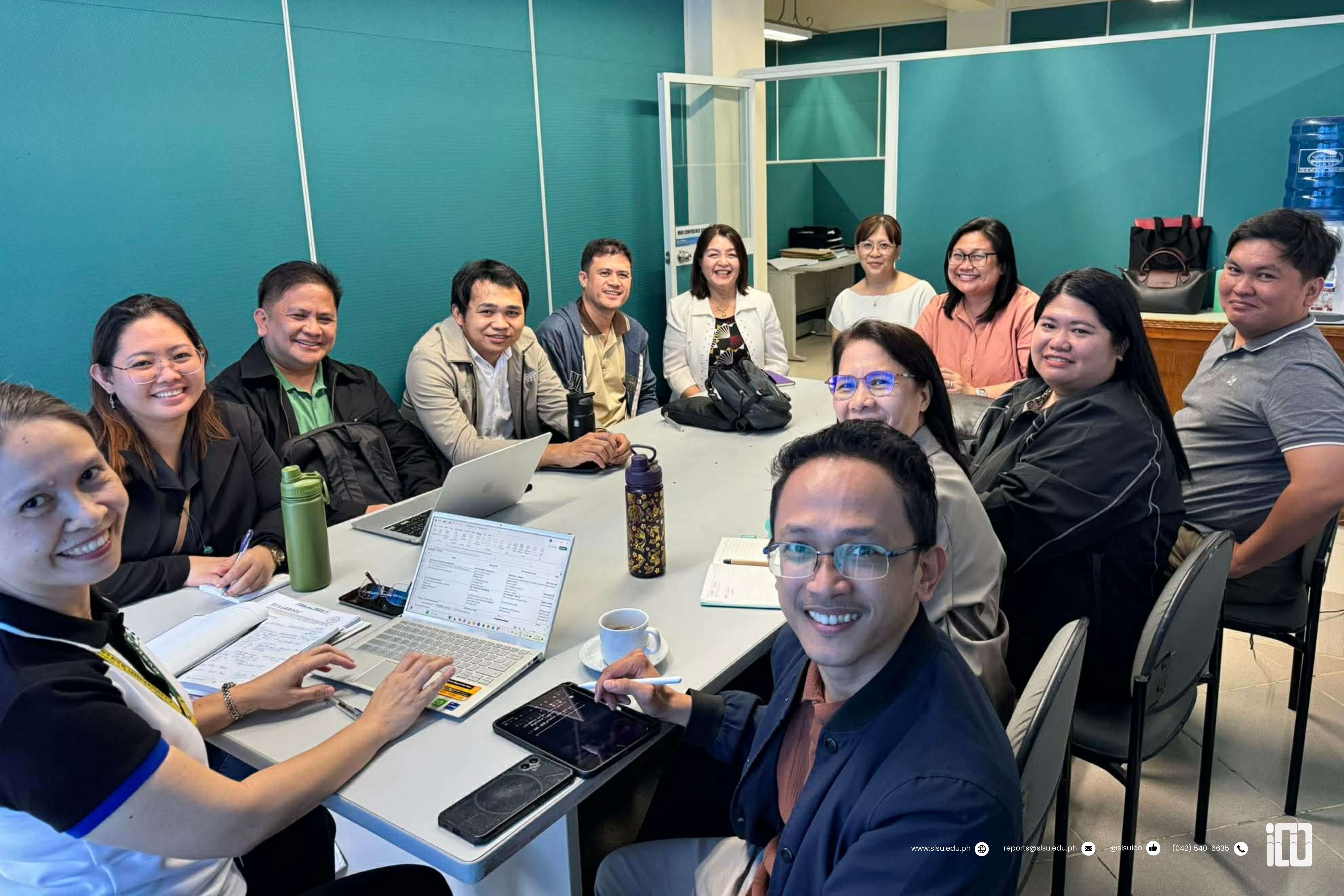
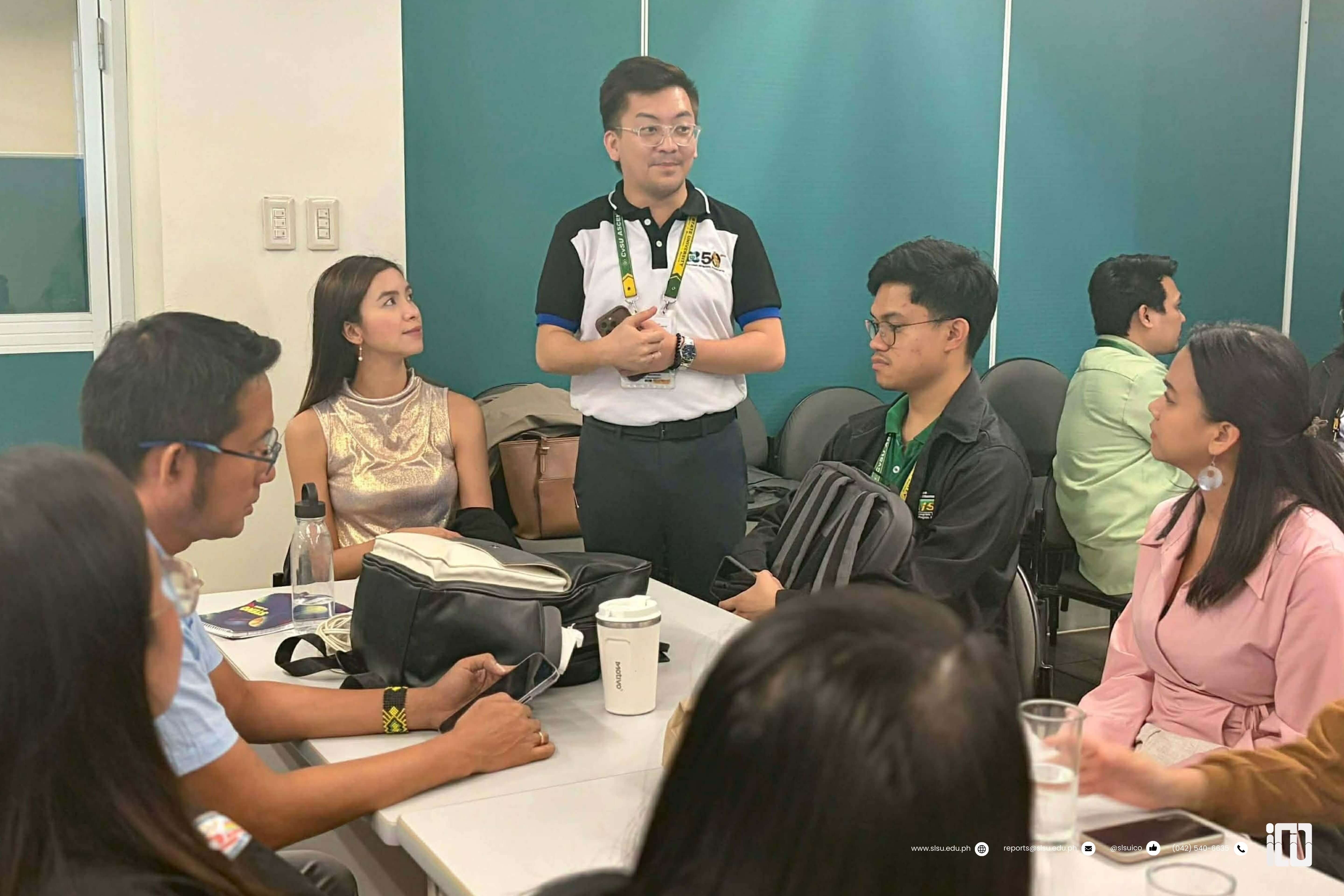
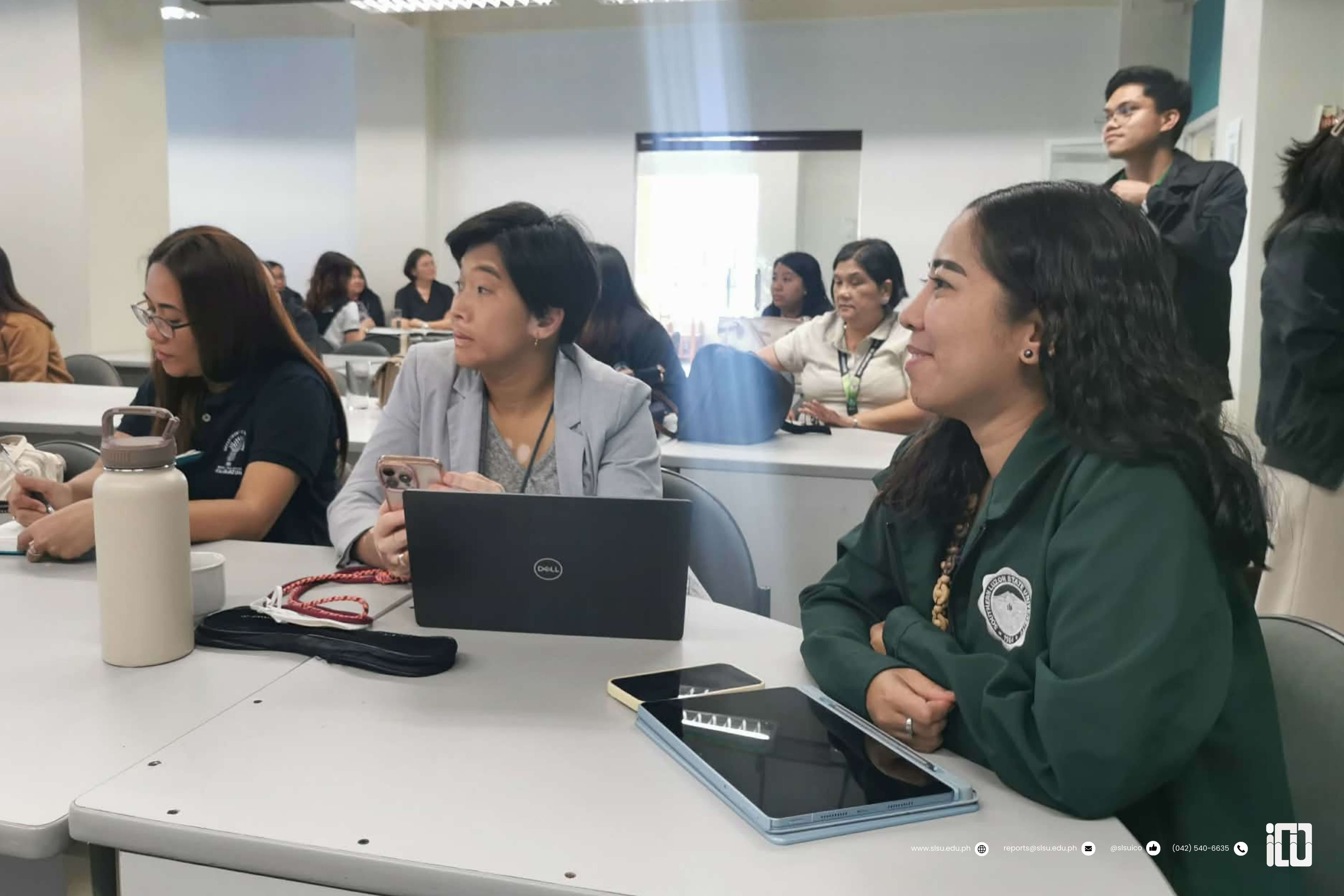
The meeting also highlighted cluster initiatives featured under BUHAY AANR—short for Bunga ng Husay at Yaman para sa Agri-Aqua at Kalikasan—which advances the following objectives: bridging AANR research outputs with community application; promoting science-based local governance in agriculture and natural resource management; creating shared ownership of innovation among CMIs, LGUs, and community stakeholders; and institutionalizing mechanisms for technology promotion and capacity building across provinces and municipalities.
The activity concluded with a collective commitment to sustain regular cluster engagements, accelerate priority programs, and enhance coordination across member institutions—marking another step forward in building a more integrated and impact-driven AANR ecosystem, with SLSU continuing to play an active role in advancing the consortium’s regional development agenda.
Article and layout: Giehway R. Liwanag
Photos: Nicanor L. Guinto, Jennifer Edytha J. Lagrazon, & April Arianne A. de Leon